 ultimate-guide
Long Distance Vehicle Transport: A 2026 Guide
Table of Contents
- What Is Long Distance Vehicle Transport?
- Types of Long-Distance Towing Services
- Understanding Car Transport Cost
- Vehicle Shipping Time: What to Expect
- How to Prepare a Car for Shipping
- Choosing the Right Long Distance Vehicle Transport Service
- Long Distance Towing vs. Professional Transport: When to Use Each
- Frequently Asked Questions
Last Updated: October 14, 2026
What Is Long Distance Vehicle Transport?
Long distance vehicle transport is the professional service of moving a vehicle across state lines or hundreds of miles using specialized equipment and trained operators. When your car, truck, or RV needs to travel farther than you're willing to drive yourself, this service handles the logistics, safety, and delivery.
The distinction between casual towing and professional long distance vehicle transport comes down to infrastructure. A local tow handles emergencies within a service area. Long distance transport requires coordinated routes, multiple stops, weather contingencies, and regulatory compliance across different states.
Types of Long-Distance Towing Services
Not all long distance vehicle transport is the same. The method depends on your vehicle type, budget, and how much protection you need during transit.
Open Transport
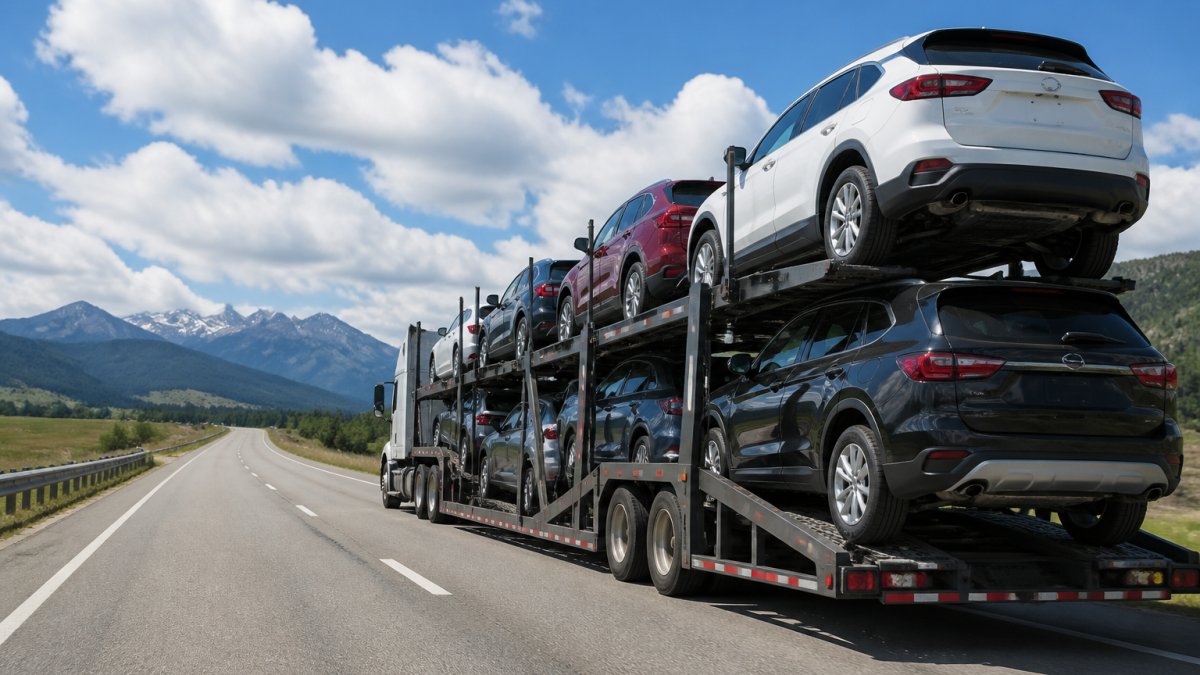
Open transport is the most common and economical method for long distance vehicle transport. Your vehicle travels on an open trailer exposed to the elements, sharing space with other vehicles, and works well for standard cars, trucks, and SUVs that don't require extra protection.
Open transport costs less because multiple vehicles share the trailer, spreading expenses across several customers. The trade-off is exposure to weather, road debris, and dust.
Enclosed Transport
Enclosed transport places your vehicle inside a covered trailer, protecting it from weather, debris, and road hazards. It's ideal for high-value vehicles, classic cars, luxury models, or any vehicle requiring maximum protection during long distance vehicle transport.
The enclosed environment shields against rain, snow, salt spray, and flying debris that can damage paint or glass. The cost is higher than open transport, but the protection justifies the investment for vehicles that warrant it, and enclosed trailers typically carry fewer vehicles, which can mean more personalized handling.
Specialized Transport for RVs and Trailers
Recreational vehicles and trailers require different expertise than standard passenger vehicles. These larger, heavier units need specialized equipment, experienced operators, and careful maneuvering through tight spaces. Backwoods Towing has experience with RVs and trailers because they present unique challenges that standard towing companies sometimes underestimate.
RVs and fifth-wheel campers need operators who understand weight distribution, hitching mechanisms, and their mechanical systems. A driver unfamiliar with RV transport might damage your vehicle's frame, plumbing, or electrical systems during loading or transit. Specialized transport ensures your RV arrives ready to use.
Understanding Car Transport Cost
The cost of long distance vehicle transport varies based on multiple factors. Understanding what drives costs helps you get accurate quotes and recognize fair pricing.
What Affects Your Total Price
Distance is the primary cost driver, but the type of vehicle matters significantly. Transporting a standard sedan costs less than moving a heavy truck or oversized RV because of fuel consumption, trailer capacity, and equipment requirements.
The time of year influences pricing as well. Peak moving seasons (summer months and holidays) see higher demand, which affects availability and rates.
Getting an accurate quote requires detailed information about your vehicle, pickup location, delivery location, and preferred transport method. Professional providers like Backwoods Towing ask specific questions to ensure the quote reflects your actual needs.
Getting an Accurate Quote
Request quotes from multiple providers and compare what's included. A low quote might exclude insurance, fuel surcharges, or other fees that appear later. Ask whether the quote is binding or subject to change based on fuel prices or market conditions.
Provide accurate vehicle information: make, model, year, condition, and any modifications that affect size or weight. Specify both pickup and delivery addresses completely, including whether either location is rural or difficult to access, and mention any time constraints. The more detailed your information, the more accurate the quote will be.
Vehicle Shipping Time: What to Expect
Timing varies based on distance, route, and current demand. Understanding realistic delivery windows helps you plan accordingly.
Standard Delivery Windows
Most long distance vehicle transport follows predictable timelines. A cross-country shipment typically takes 7-14 days, depending on the route and whether your vehicle is part of a consolidated load or a dedicated shipment.
The timeline also depends on whether your vehicle is the first pickup or the last. A consolidated load might pick up vehicles in multiple locations before heading to the destination region, keeping costs lower but extending delivery time. Dedicated transport moves your vehicle directly to its destination more quickly but at higher cost.
Factors That Affect Delivery Speed
Weather significantly impacts delivery schedules. Winter storms, heavy snow, or severe conditions can delay routes or require drivers to take safer, longer paths. Summer heat sometimes affects schedules when road construction intensifies or traffic congestion increases in major metropolitan areas.
Vehicle condition and location accessibility also matter. A vehicle in a remote area might require extra time to reach the main transport route, and a non-running vehicle takes longer to load and unload safely.
How to Prepare a Car for Shipping
Proper preparation before pickup protects your vehicle and ensures smooth transport. Documenting condition and removing personal items prevents disputes and keeps your vehicle safe during transit.
Vehicle Inspection and Documentation
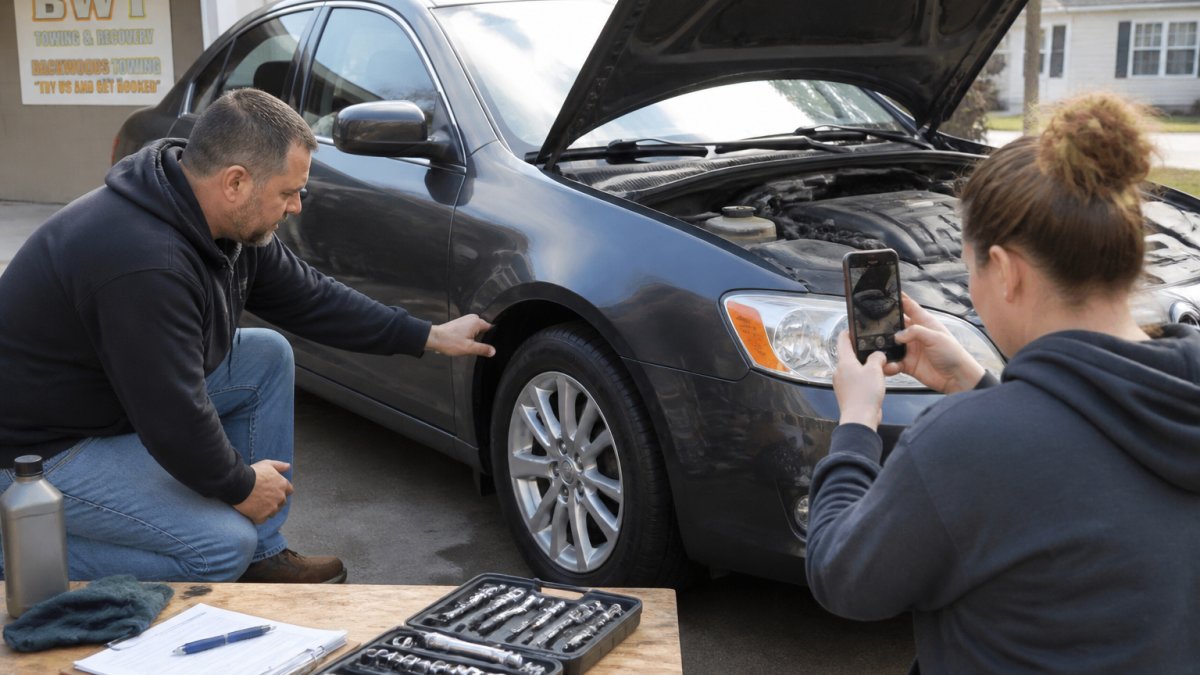
Document your vehicle's current condition before transport begins. Take photos of the exterior from multiple angles, including any existing damage, dents, or scratches. Photograph the interior, dashboard, tires, and undercarriage if accessible. This documentation protects you if the transport company disputes damage claims later.
Create a written record noting the odometer reading, fuel level, and any mechanical issues, plus whether doors lock properly, windows operate smoothly, and the vehicle starts and runs. This baseline documentation becomes your proof if the vehicle arrives in different condition, so keep copies for your records.
Mechanical and Fluid Checks
Ensure your vehicle is in safe operating condition before transport. Check engine oil, coolant, brake fluid, and transmission fluid, topping off any that are low. Verify the battery has adequate charge and clean connections, and check tire pressure and condition.
Address any mechanical issues before transport if possible. A vehicle that won't start or run requires special handling and delays loading, so inform the transport company in advance so they can prepare appropriate equipment. Minor maintenance prevents complications and keeps your vehicle ready to operate when it arrives.
Personal Items and Loose Parts
Remove all personal belongings from your vehicle before pickup. Transport companies aren't responsible for items left inside, and loose items can shift during transit and damage your interior. Remove or secure loose parts, accessories, or aftermarket equipment, including antennas, spoilers, or custom trim pieces that might catch during loading or transit.
Check that all doors, windows, and the trunk close and lock properly, and verify nothing is hanging from mirrors or attached to the exterior that could catch wind or obstacles during transport. Most companies prefer minimal fuel to reduce weight, but confirm their specific requirement.
Choosing the Right Long Distance Vehicle Transport Service
Selecting a transport provider affects your experience and your vehicle's safety. Several factors separate reliable providers from those that disappoint.
Insurance Coverage and Liability
Verify that the transport company carries adequate insurance coverage for your vehicle's value. Ask specifically what their liability coverage includes and excludes, since some policies cover damage only up to a certain amount, leaving you responsible beyond that limit. Request proof of insurance before signing any agreement.
Understand what damage is covered and what isn't. Most policies cover damage from accidents or weather during transport, but some exclude pre-existing damage or damage from improper loading. Know whether your vehicle is covered for full replacement value or only a depreciated amount, and if it's high-value, consider whether additional coverage is available.
Communication and Tracking
A reliable long distance vehicle transport provider keeps you informed throughout the process. Ask how they communicate updates: phone calls, text messages, email, or a tracking portal. Confirm their communication frequency and what information they provide at each update.
Real-time tracking systems allow you to monitor your vehicle's location during transport. Some providers offer GPS tracking that updates regularly, while others provide updates at major checkpoints. Knowing your vehicle's status reduces anxiety and helps you plan for delivery, and a provider that returns calls promptly and answers questions thoroughly builds confidence in their service.
Experience with Your Vehicle Type
Not all transport companies have equal experience with every vehicle type. If you're shipping an RV, fifth-wheel camper, or specialty vehicle, confirm the provider has specific experience with that type. Ask about their equipment, driver training, and how many similar vehicles they've transported.
Backwoods Towing has experience with RVs and trailers because drivers need specialized knowledge about these vehicles' unique requirements. A company that regularly transports standard passenger vehicles might lack the expertise for oversized or specialized equipment. Asking about their experience with your specific vehicle type reveals whether they're the right choice.
Long Distance Towing vs. Professional Transport: When to Use Each
Understanding when to use long distance towing versus professional transport services prevents costly mistakes.
Long distance towing is emergency-focused. Towing typically covers shorter distances and operates on an as-needed basis for vehicle recovery.
Professional long distance vehicle transport is planned relocation. You choose this service when you're moving a vehicle across the country, purchasing a vehicle from a distance, or need your RV transported to a seasonal destination.
The distinction matters because each service has different equipment, expertise, and pricing structures.
Long distance vehicle transport requires planning, realistic expectations, and a provider you can trust.
| Preparation Task | Timing | Why It Matters |
|---|---|---|
| Document vehicle condition with photos | Before pickup | Protects against damage disputes |
| Check fluid levels and battery | 1-2 days before | Ensures safe loading and operation |
| Remove personal items | Day of pickup | Prevents loss and interior damage |
| Verify doors and windows close | Before pickup | Prevents damage during transit |
| Confirm fuel level preference | When scheduling | Meets transport company requirements |
Frequently Asked Questions
How does long-distance vehicle transport work?
Long distance vehicle transport involves professional carriers moving your vehicle from one location to another using specialized equipment. The carrier picks up your vehicle, secures it on a trailer, and transports it to your destination. You'll receive tracking information and regular updates throughout the journey. Insurance coverage protects your vehicle during transport, and the carrier handles all logistics, you don't need to drive the vehicle yourself.
What factors influence car transport cost?
Car transport cost depends on distance traveled, vehicle type and weight, transport method (open or enclosed), current fuel prices, route demand, and any special handling requirements. Larger vehicles and specialty equipment like RVs cost more. Seasonal demand affects pricing, peak moving seasons typically cost more. For accurate pricing specific to your situation, contact Backwoods Towing or visit their pricing page to receive a custom quote.
How long does vehicle shipping time typically take?
Vehicle shipping time varies based on distance and route. Most long-distance shipments take 3-14 days depending on the distance and number of stops. Cross-country transport typically takes 5-10 days. Factors affecting speed include weather conditions, traffic, pickup and delivery location accessibility, and whether your vehicle is on a direct route or a multi-stop carrier. Expedited options are available if you need faster delivery.
How should I prepare my car for shipping?
Before shipping, document your vehicle's condition with photos and video, check all fluid levels, ensure the battery is charged, and remove personal items. Disable any car alarms, fill the gas tank partially, and ensure tires are properly inflated. If your vehicle hasn't been driven recently, have it inspected to confirm it's road-ready. Remove roof racks and antennas, and make sure all windows and doors lock properly for secure transport.
What insurance covers vehicle damage during transport?
Professional long-distance transport carriers carry liability insurance that covers damage during shipping. Most policies provide coverage up to a certain amount per vehicle. Review the carrier's insurance details and coverage limits before booking. Your personal auto insurance typically does not cover transport-related damage. Ask your carrier for documentation of their insurance coverage and understand what is and isn't included in their protection plan.
When should I use long-distance towing instead of car shipping?
Use long-distance towing services when your vehicle is inoperable, damaged, or broken down and cannot be driven to its destination. Towing is also appropriate for shorter distances or when you need immediate recovery assistance. Professional car shipping services work better for operational vehicles traveling long distances, as they're more cost-effective and safer for the vehicle. If your car is stuck, disabled, or needs recovery, towing services like Backwoods Towing provide specialized equipment and expertise.